A strong education shapes conviction, curiosity, and long-term conquest. Therefore, families increasingly pursue the best homeschool curriculum kindergarten schedules for flexible learning. This process supports emotional development, literacy readiness, and playful discovery. Moreover, children discover at a comfortable pace while parents show progress with clarity. A thoughtful curriculum mixes structure with creativity, which makes learning joyful. As a result, children experience focus, independence, and excitement. Importantly, grade resources respect developmental stages while making essential skills. Parents weigh programs that boost reading, math, and life skills together. Consequently, premature learning feels meaningful rather than forced. With supporting materials, lessons flow unpretentiously into daily life. This balance strengthens, cements, and builds trust. Furthermore, a trusted schedule inspires consistency and confidence at home. Selecting wisely ensures lasting blessings beyond academics. Therefore, understanding curriculum depth, principles, and engagement counts greatly. When learning feels fun, children remain motivated. Ultimately, the right option nurtures curiosity and lifelong learning habits.
A Gentle Foundation for Early Learners
Early education flourishes on consistency and heat. Therefore, a kind kindergarten approach focuses on enthusiasm rather than pressure. Children require space to explore letters, numbers, and stories inherently. Consequently, gentle direction supports confidence and curiosity. Programs encouraged by child-centered values underscore play-based discovery. As a result, learning becomes pleasant and memorable. Parents value materials that develop with the child. Moreover, structured flexibility helps varied learning styles. When studies adapt, children remain engaged. This balance reinforces understanding without dazzle. Importantly, early practices create emotional protection. Therefore, children feel secure while exploring new ideas. Over time, confidence increases through small wins. This foundation funds later academic success. A calm start makes strong habits that last.
Literacy That Feels Joyful
Reading victory begins with connection and attraction. Therefore, early literacy should feel playful and indicative. Stories, sounds, and simple words build understanding. Consequently, children develop phonemic attention naturally. A strong schedule introduces reading gently. Moreover, repetition reinforces memory and confidence. Parents value help that encourages shared reading points. As a result, sticking and learning happen together. This system supports kindergarten reading for fun and early learning with warmth. When children enjoy books, curiosity increases. Therefore, understanding grows steadily. Engaging stories also enhance listening skills. Over time, children recognize marks and words. This joyful openness supports long-term literacy conquest.
Building Language Through Daily Life
Language development thrives through conversation and routine. Therefore, everyday moments become learning opportunities. Children learn best through meaningful dialogue. Consequently, questions and storytelling boost vocabulary. Parents can integrate reading into daily schedules. Moreover, consistent exposure improves confidence. When language feels natural, children participate eagerly. This approach strengthens comprehension and expression. Over time, children gain clarity and confidence. A supportive environment encourages curiosity. Therefore, language growth feels effortless and fun.
Math Skills with Confidence
Early math should feel approachable and practical. Therefore, hands-on activities support understanding. Counting, sorting, and patterns appear in daily life. Consequently, children learn without pressure. A balanced curriculum introduces numbers gradually. Moreover, visual tools support comprehension. Parents appreciate lessons connected to real experiences. As a result, children see purpose in learning. This approach builds logical thinking and problem-solving skills. Over time, confidence replaces hesitation. Math becomes friendly and engaging. Therefore, early success encourages future achievement.
Learning Through Playful Structure
Structure supports focus when paired with creativity. Therefore, playful lessons hold attention. Children enjoy games that reinforce concepts. Consequently, repetition feels enjoyable. Parents value clear guidance with flexible pacing. Moreover, adaptable schedules reduce stress. This balance helps families stay consistent. When children feel relaxed, learning improves. Therefore, structured play becomes effective and joyful.
A Trusted Authorial Perspective
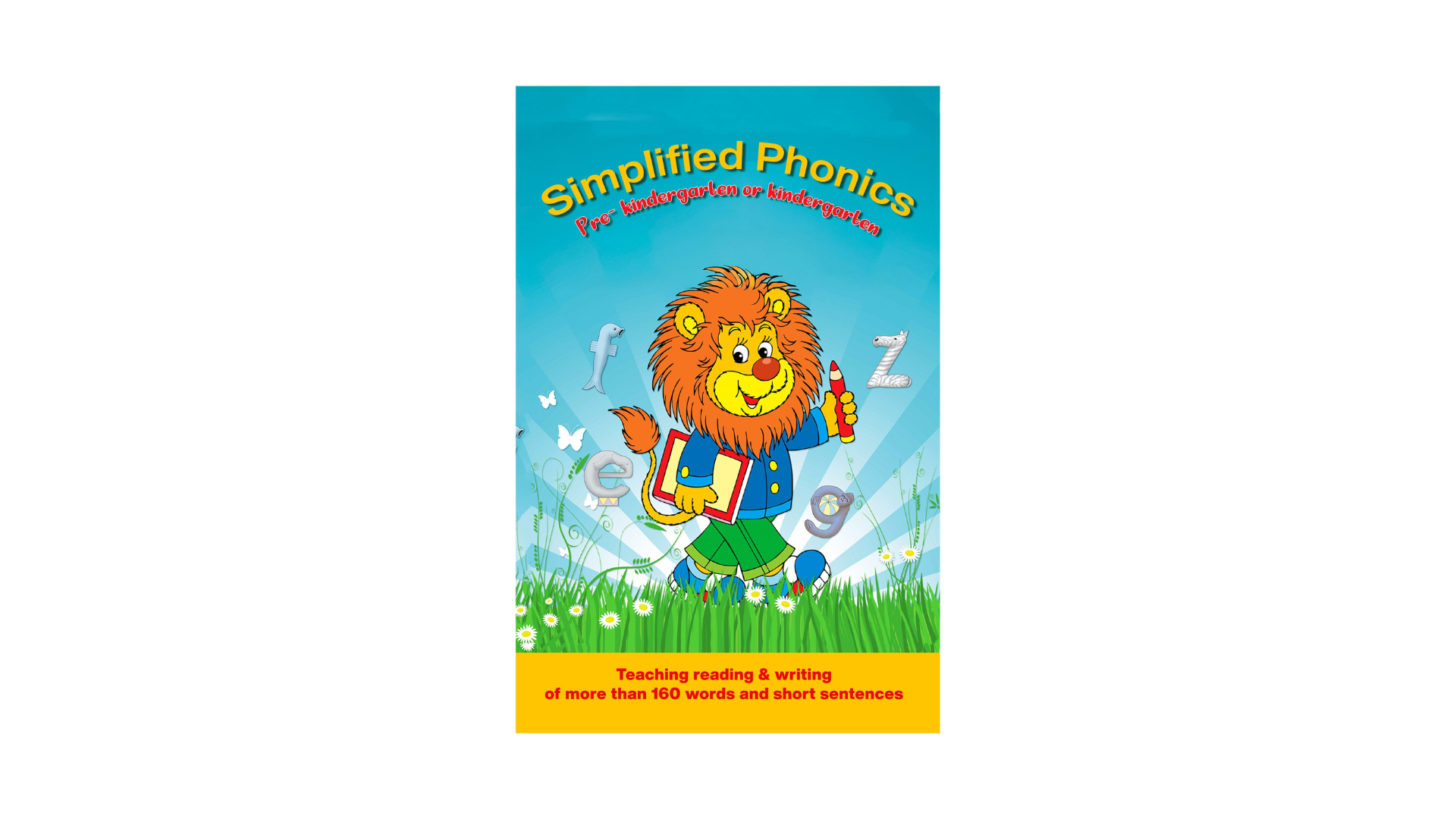
Parents value programs created by experienced educators. Therefore, guidance rooted in classroom knowledge matters. The kindergarten book by Brooke Pearce reflects thoughtful insight. It blends academic goals with emotional awareness. Consequently, families trust its approach. Experience informs lesson flow and expectations. Moreover, clear instructions support confident teaching at home. When expertise guides content, quality improves. This trust strengthens parent commitment. Over time, consistency supports better outcomes. A credible voice enhances learning confidence.
Emotional Growth Alongside Academics
Emotional skills shape early success. Therefore, programs should nurture empathy and resilience. Children learn to manage feelings through guided activities. Consequently, social confidence increases. Parents appreciate resources that support emotional awareness. Moreover, calm routines encourage cooperation. When emotions feel understood, learning improves. This balance supports healthy development. Over time, children gain self-awareness and confidence.
Encouraging Independence Early
Independence grows through small responsibilities. Therefore, simple tasks build confidence. Children enjoy completing achievable goals. Consequently, motivation increases. Parents can encourage choice within structure. Moreover, independence supports focus and pride. When children feel capable, learning accelerates. This approach prepares them for future challenges.
Preparing for Future Learning Stages
Kindergarten creates readiness for future steps. Therefore, foundational talents matter. Reading, math, and exercises prepare children. Consequently, changes feel smoother. Parents value schedules that support advancement. Moreover, trust eases change. When children feel ready, anxiety decreases. This practice supports long-term success.
Smooth Transitions Ahead
Transitions best with preparation. Therefore, incremental skill-building helps. Children adapt more efficiently. Consequently, trust remains strong. Parents value forward-thinking design. This planning supports academic continuity.
Conclusion
Choosing the right premature education path shapes lifelong learning. Therefore, families desire balance, warmth, and design. The best homeschool curriculum kindergarten process supports joyful learning and steady development. It blends academics with dynamic development. Consequently, children acquire confidence and curiosity. Parents feel assigned through clear direction and flexibility. Moreover, trusted help strengthens the surface at home. When learning feels inviting, children remain motivated. This floor supports reading, math, and character growth concurrently. Over time, skills grow naturally without force. Families find help from adaptable routines and noteworthy lessons. Therefore, before education becomes a communicated journey. With thoughtful intentions, children thrive academically and emotionally. This path nurtures freedom, resilience, and a love for education. Ultimately, a powerful beginning shapes future success and trust.


