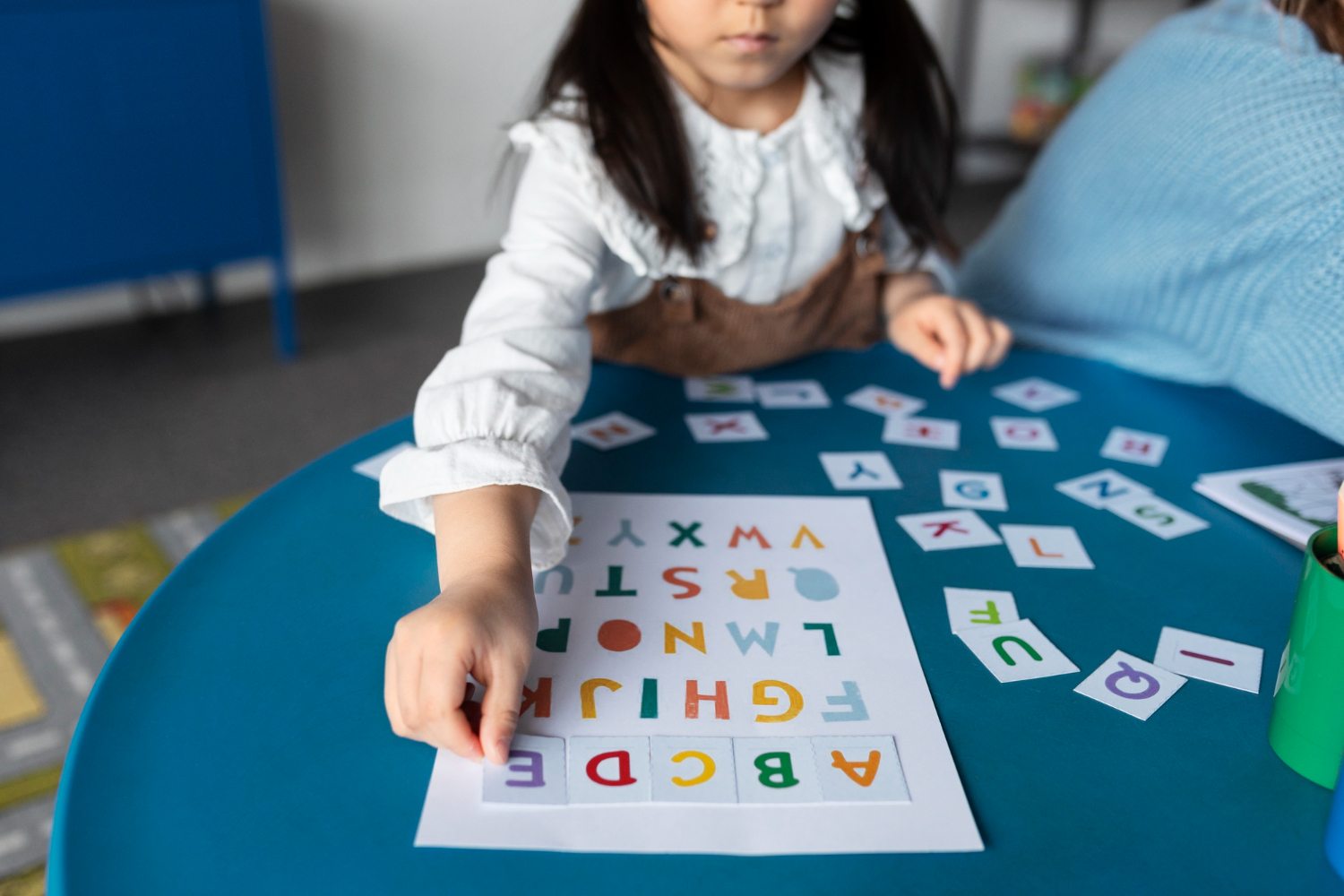
Early literacy shapes a child’s intellectual future. Therefore, parents and teachers must concentrate on important foundations from the start. Kindergarten sight words help young trainees recognize shared words instantly. As a result, children read with more satisfactory fluency and confidence. When students fast identify high-frequency words, they consume less time decoding. Consequently, they comprehend stories more deeply. Strong mention skills also ease frustration during reading time. Moreover, children are proud when they read alone. Because replay strengthens remembering, daily practice carries steady improvement. At the same time, pleasing materials keep trainees motivated. Interactive movements make lessons pleasurable and meaningful. When educators connect phonics with sight word disclosure, results improve faster. In addition, validating guidance builds trust and enthusiasm. Over time, steady training transforms uncertain readers into convinced learners. For this reason, structured education matters deeply in early classrooms. With clear goals and agreed reinforcement, children perform measurable improvement and develop a lifelong love of reading.
Why Sight Words Matter in Early Education
Sight words form the backbone of reading fluency. Therefore, children help when they remember these words by company. Many of these words often emerge in simple texts. Because they do not constantly follow phonetic rules, decoding becomes difficult. However, instant praise removes that barrier. As a result, children concentrate on meaning instead of ringing out every word. Teachers often teach small sets weekly. Gradually, apprentices master each group via repetition. In addition, compatible exposure improves retention. When teachers integrate games and homework practice, learning feels natural. Furthermore, confident readers experience more in class conversations. Early mastery also sponsors writing development. Since students realize words quickly, they spell shared terms more easily. For this reason, structured reading schemes matter greatly. Families can strengthen learning at home through simple approach sessions. Together, classroom recommendations and home support create steady modification. Ultimately, children grow independence and more powerful comprehension skills.
The Connection Between Reading Confidence and Practice
Confidence develops through compatible reading practice. Therefore, duplication should remain a daily habit. When children reanalyze familiar words, they sense capability. As a result, they attempt more prolonged sentences willingly. Teachers often pair flashcards with storytelling. Consequently, students develop recognition skills in context. Short reading sessions avert fatigue and support focus. Moreover, praise encourages young learners to keep enhancing. Because encouragement creates resilience, students manage challenges better. Over time, steady exposure boosts neural pathways. Gradually, children read smoothly without hesitation. Parents also play a supporting role at home. When families praise progress, children feel appreciated. In addition, shared reading time creates emotional bonds. Strong literacy foundations help future academic success. Thus, compatible practice leads to lasting confidence.
Blending Sight Words with Kindergarten Books
Engaging stories support recognition skills, actually. Therefore, teachers pick simple kindergarten books that repeat the target language. When children see everyday words in stories, comprehension enhances quickly. As a result, reading feels significant rather than mechanical. Repetition within descriptions strengthens memory retention. Moreover, colorful illustrations nourish helpful context clues. Because stories spark imagination, learners stay concentrated longer. Guided reading sessions also inspire discussion and reflection. In addition, teachers sport fluent reading patterns. When students echo-read, they gain tempo and expression. Gradually, autonomy replaces hesitation. Families can sustain progress by choosing leveled bibliophiles at home. Short daily sessions make routine and discipline. Furthermore, consistent openness accelerates mastery. By harmonizing direct instruction with gripping texts, educators create balanced literacy conditions. Ultimately, children fasten words to real stories and occasions.
Strengthening Skills Through Kindergarten Workbooks
Structured exercises improve reading mastery, actually. Therefore, many teachers incorporate kindergarten workbooks into address plans. These help provide guided duplication and focused practice. As a result, trainees review words systematically. Writing movements reinforce visual remembering. Moreover, illustration exercises improve fine motor coordination. Because hands-on tasks engage multiple senses, retention is expanded. Educators usually assign short daily pages. Consequently, students are overwhelmed. In addition, improvement tracking helps measure progress. Parents also value structured home preparation materials. When families use verifying exercises, consistency is enhanced. Gradually, children internalize patterns and spelling facilities. Balanced teaching combines reading and writing. Thus, structured support accelerates development.
Integrating Technology and Interactive Learning
Digital tools help literacy growth, actually. Therefore, instructors weave interactive apps alongside conventional lessons. Animated flashcards seize attention quickly. As a result, children are employed enthusiastically. Audio qualities model correct articulation clearly. Moreover, interactive quizzes provide instant feedback. Because near correction improves precision, mistakes are reduced slowly. Teachers suspend screen time carefully. Consequently, technology improves rather than replaces education. Families can also probe safe learning scaffolds. In addition, educational videos strengthen classroom concepts. When children see words in various formats, memory seasons. Blending digital and print help creates a broad approach. Thus, learners experience miscellaneous exposure while overwhelming kindergarten sight words efficiently.
Conclusion
Early literacy growth requires commitment and balance. Therefore, parents and educators must cooperate consistently. When children rehearse daily, growth becomes perceptible. Strong recognition skills enhance reading speed and arrangement. In the middle of this journey, kindergarten sight words help as the foundation for eloquent reading. Because domination builds confidence, trainees approach books eagerly. Blending structured addresses with engaging stories improves retention. Moreover, guided practices strengthen writing and remembering skills. Supportive backdrops further encourage autonomy. As a result, children read with satisfaction and curiosity. Continuous support ensures lasting success. Over time, steady improvement transforms beginners into confident readers. When families stay involved, outcomes enhance significantly. Education starts with simple daily actions. Therefore, invest time, motivation, and patience. Each word remembered represents growth and potential. Through effort and thoughtful recommendation, young learners produce strong literacy skills that support educational accomplishment for years to come.


